
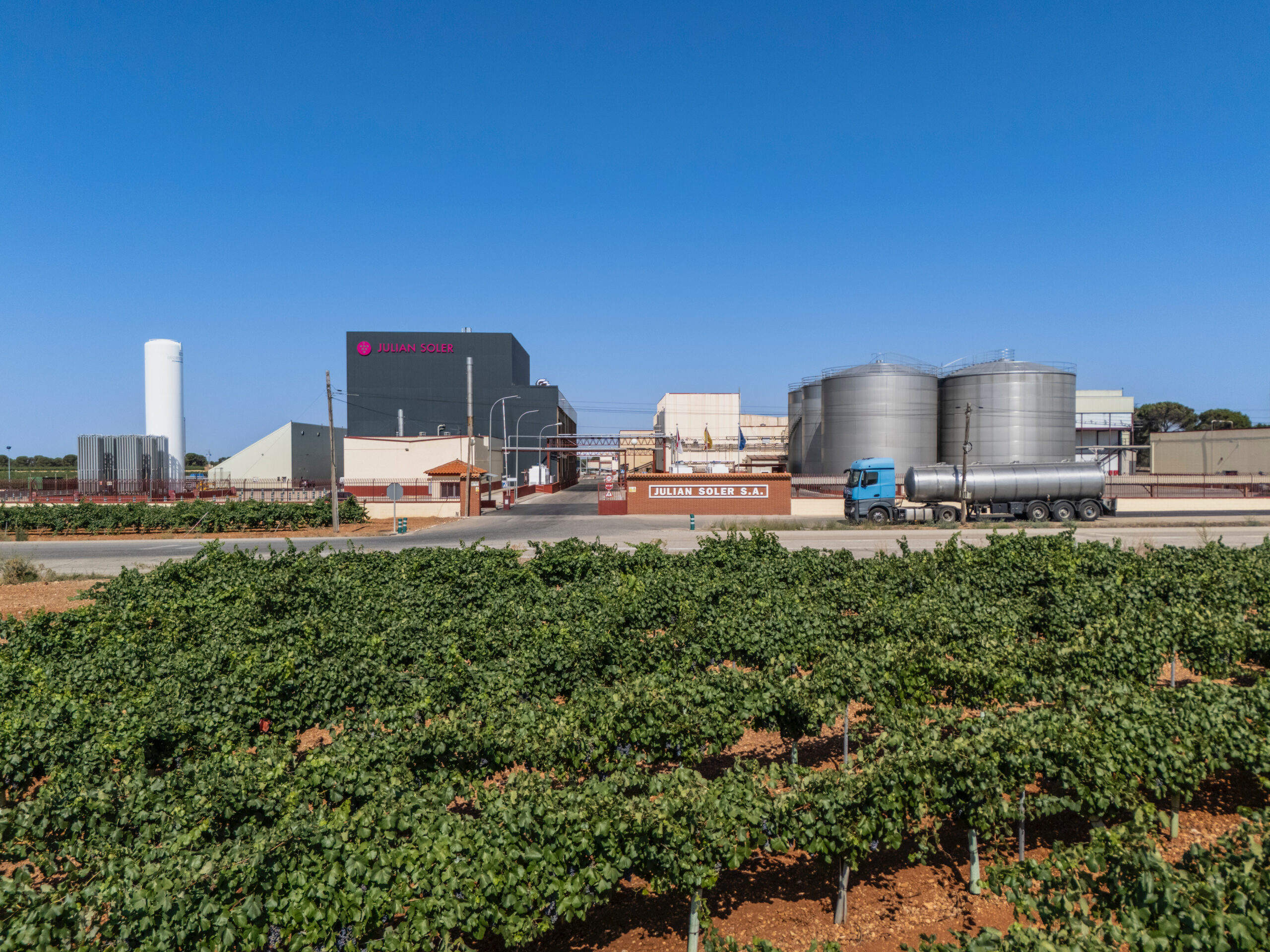
Some business decisions make more sense with the benefit of time. In 1968, when JULIAN SOLER began producing grape juice concentrate in Villanueva de la Jara, choosing to focus on a single raw material while looking towards international markets from the outset was far from the obvious route.
More than half a century later, we are still working around the same idea: knowing grapes in depth and finding new ways to take them further.
Today, from La Manchuela in the province of Cuenca, we transform Spanish grapes into solutions for food and beverage manufacturers in more than 60 countries. Over 90% of our production is exported, and some customers have been part of our story for decades.
Behind those figures lies something simpler: specialisation, adaptability and relationships built for the long term.
It all started with grapes
JULIAN SOLER takes its name from its founder, Julián Soler Marqués, who began producing grape juice concentrate in 1968. The company started with a team of just eight or ten people and a clear belief: grapes had much more potential than was generally recognised at the time.
We have never set out to become a multi-fruit processor or a winery. Grapes are our world.
That specialisation has been one of the foundations of our growth. The better we understand a raw material, the better equipped we are to anticipate how it behaves, select the right quality and adapt it to each application.
Today, around 120 families, including permanent and seasonal employees, are connected to the project in Villanueva de la Jara. Annual production is around 40,000 tonnes of grape juice concentrate, within an industrial capacity of up to 80,000 tonnes per year.
We are still based where we started. But our grapes now travel, quite literally, around the world.
Quality starts in the vineyard
Before talking about evaporators, laboratories or logistics, we need to talk about the vineyard.
We work exclusively with Spanish grapes and maintain direct relationships with growers and cooperatives. Today we work with more than 200 growers and 74 cooperatives, handling the equivalent of around 200 million kilos of grapes each campaign.
For us, grapes intended for juice or must are not a “second-class” raw material. If the goal is to produce a stable, consistent ingredient capable of meeting different specifications, the work has to begin in the vineyard.
Our model combines grape must production at our own facilities with sourcing from local cooperatives. This allows us to maintain traceability back to the grape while retaining the flexibility needed to supply customers throughout the year.
Then the laboratory comes into play. We analyse and classify the raw material because not every customer is looking for the same thing.
For R&D teams, that may mean Brix, acidity, colour, pH, sensory performance or stability. For Purchasing, Quality or Regulatory teams, the picture also includes traceability, documentation, batch-to-batch consistency, pack format and security of supply.
They are different perspectives on the same ingredient, and we need to answer both.
Innovating without losing authenticity
Working only with grapes does not mean doing the same thing year after year.
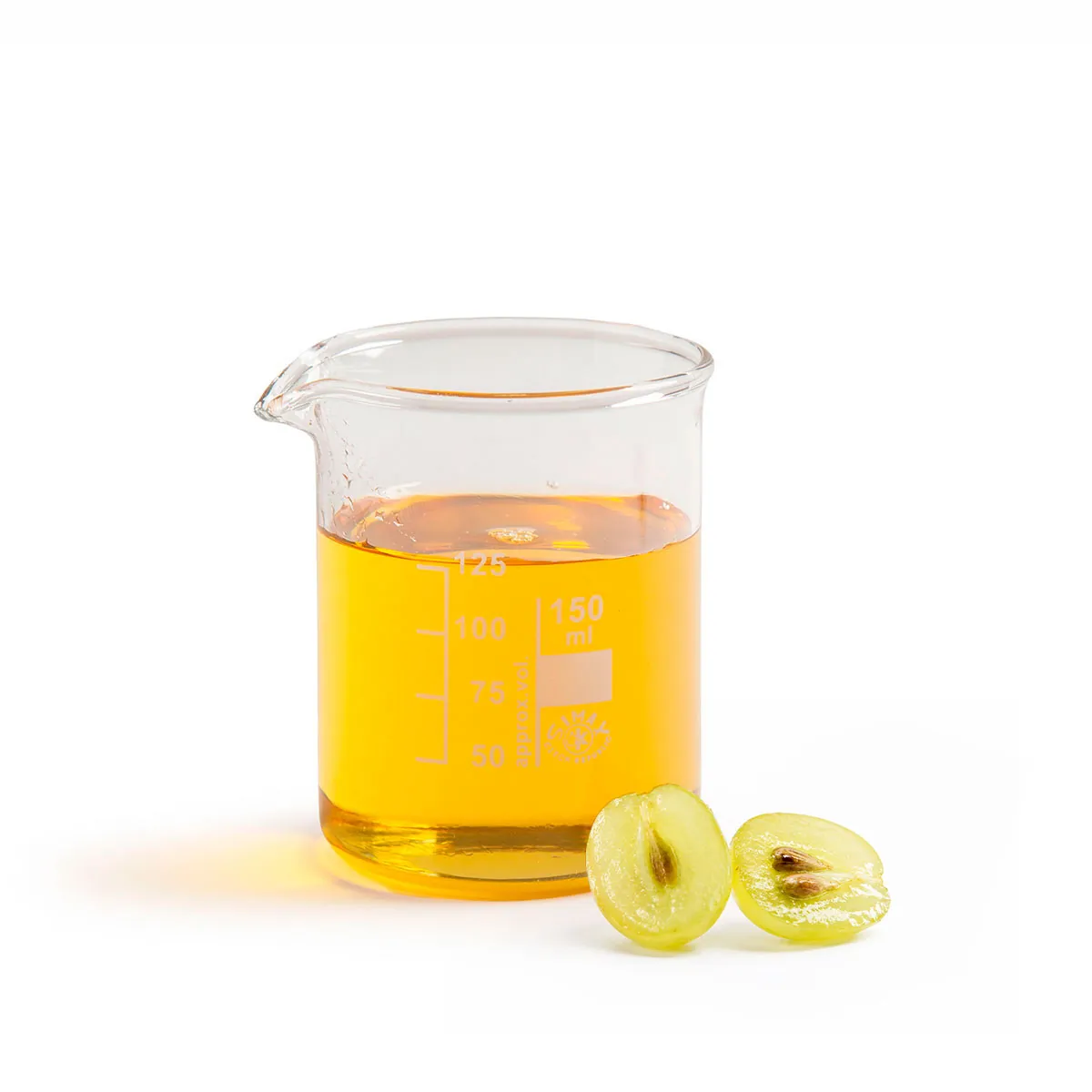
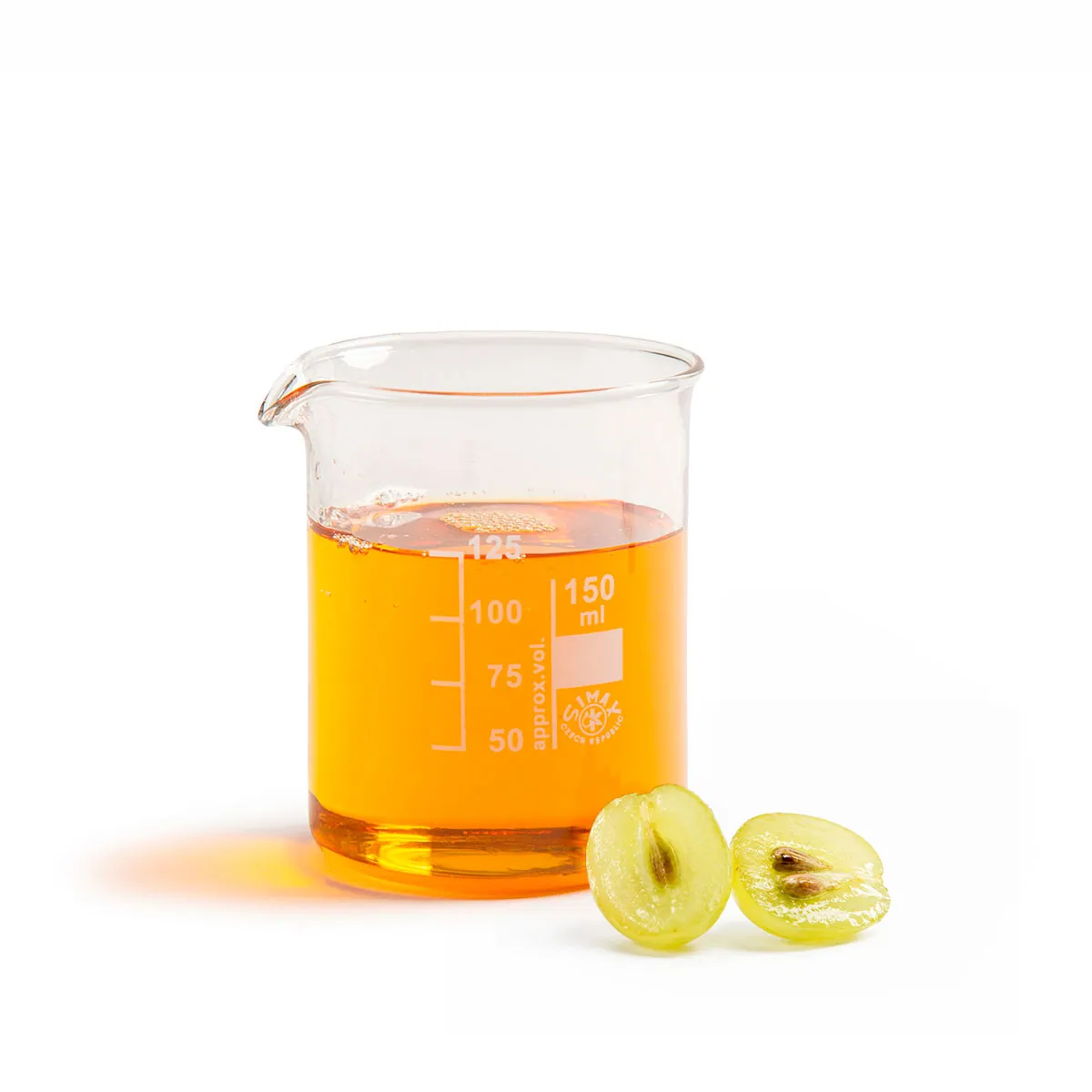
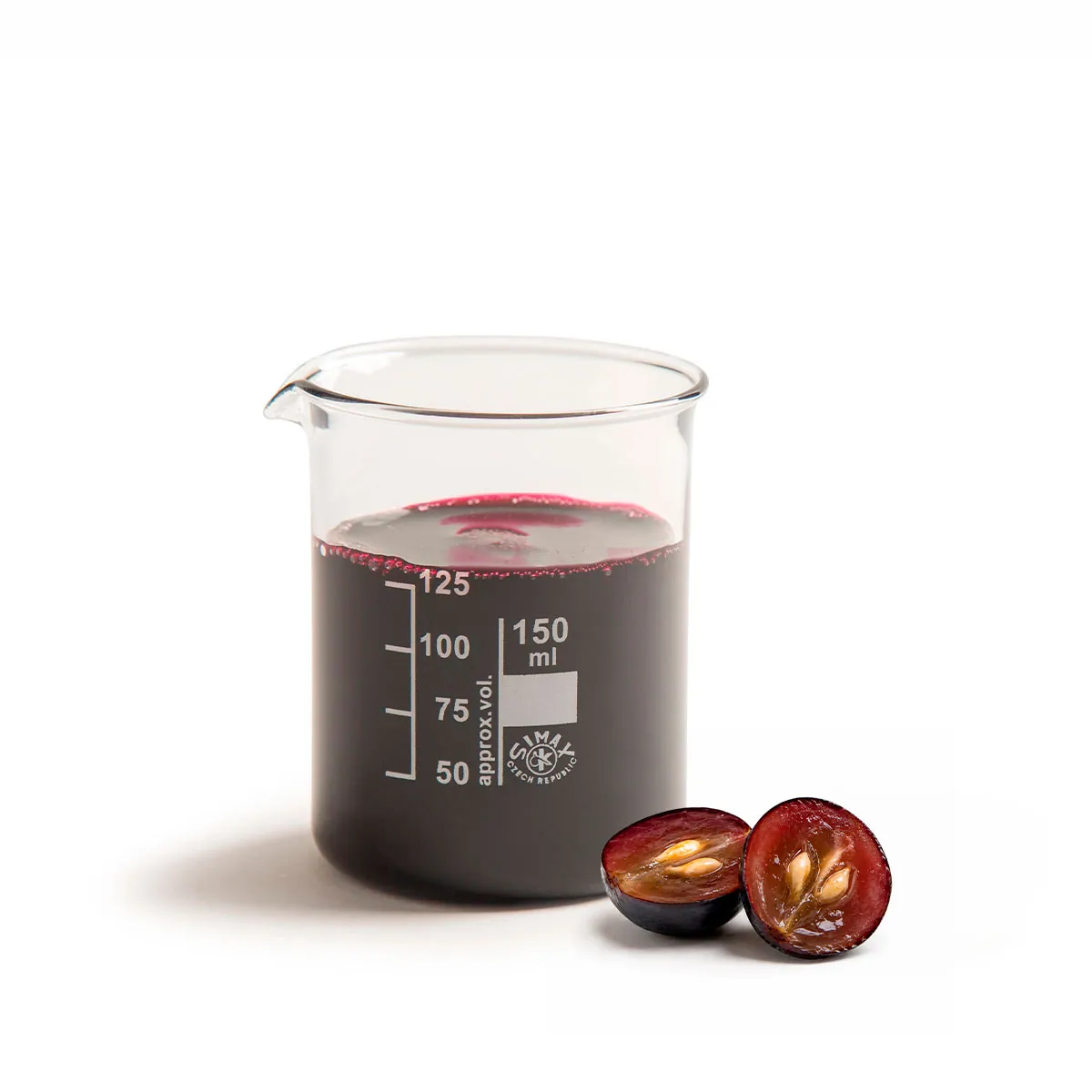
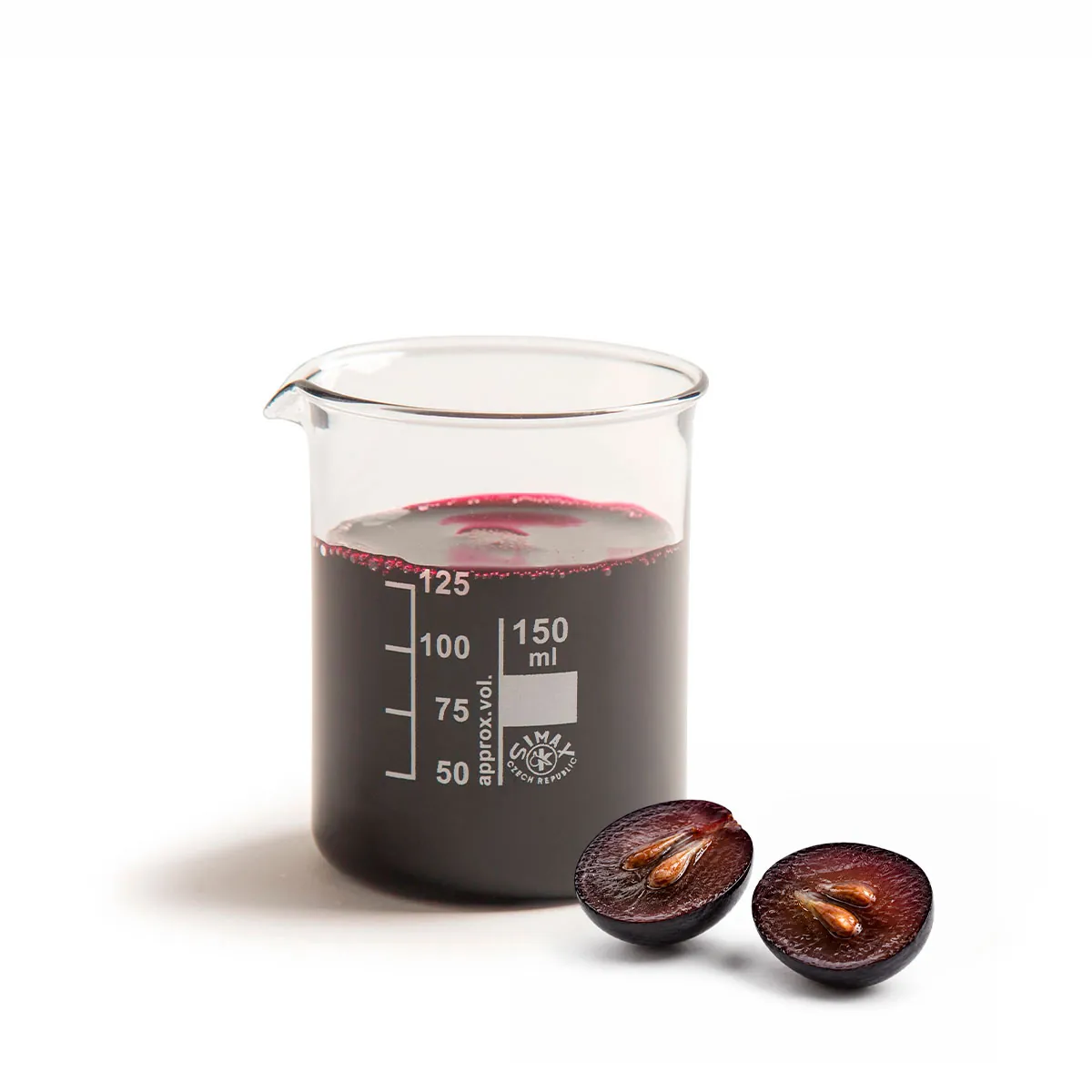
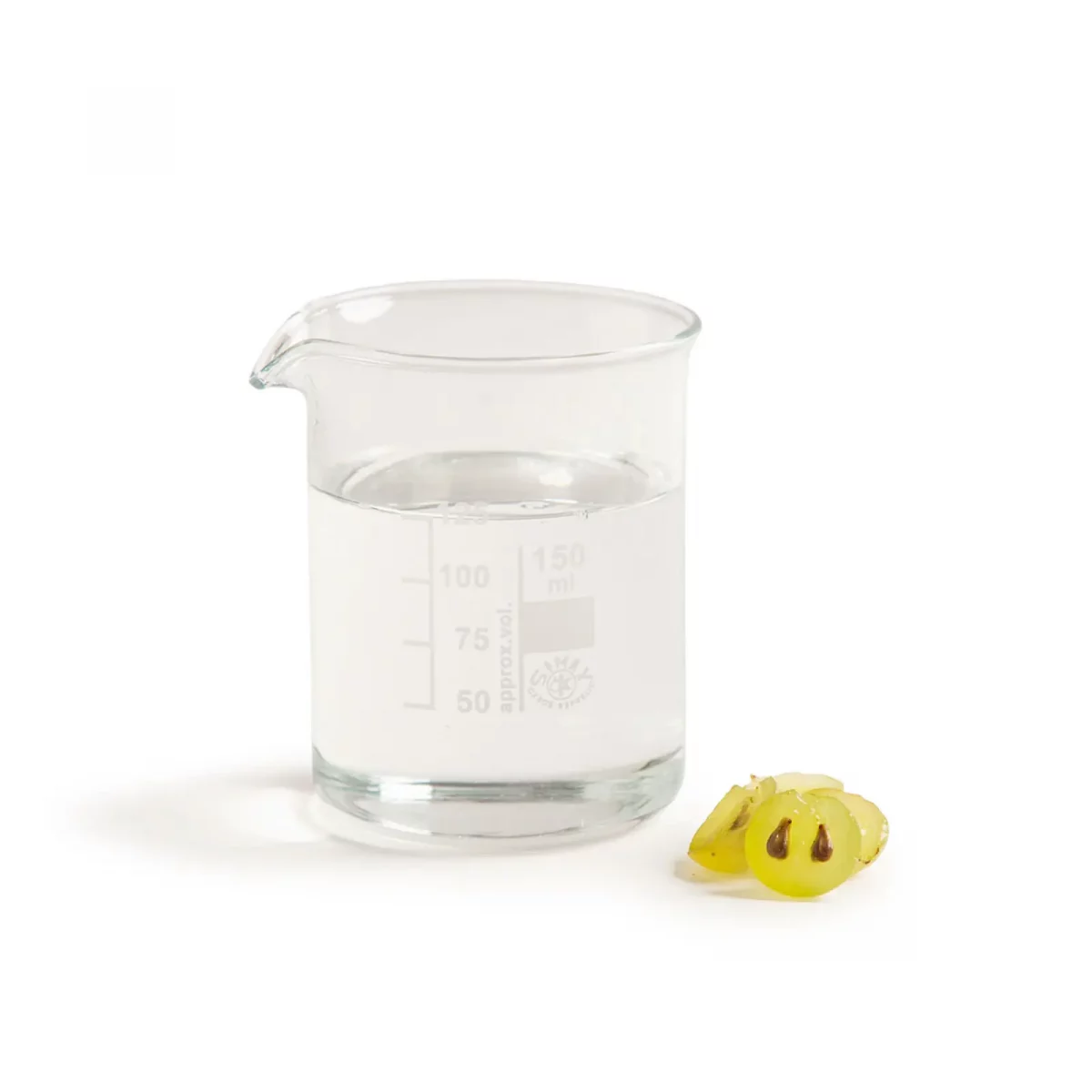
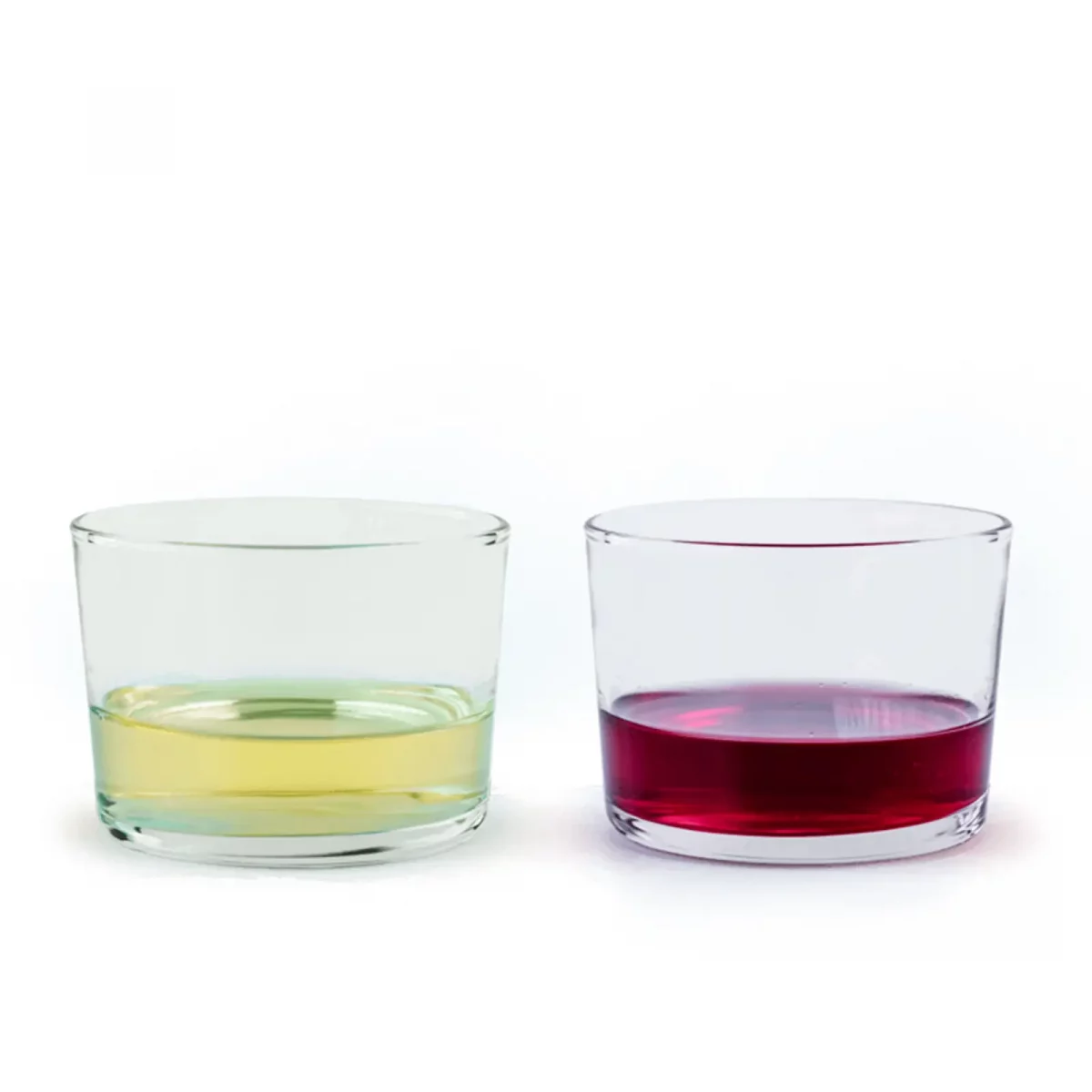
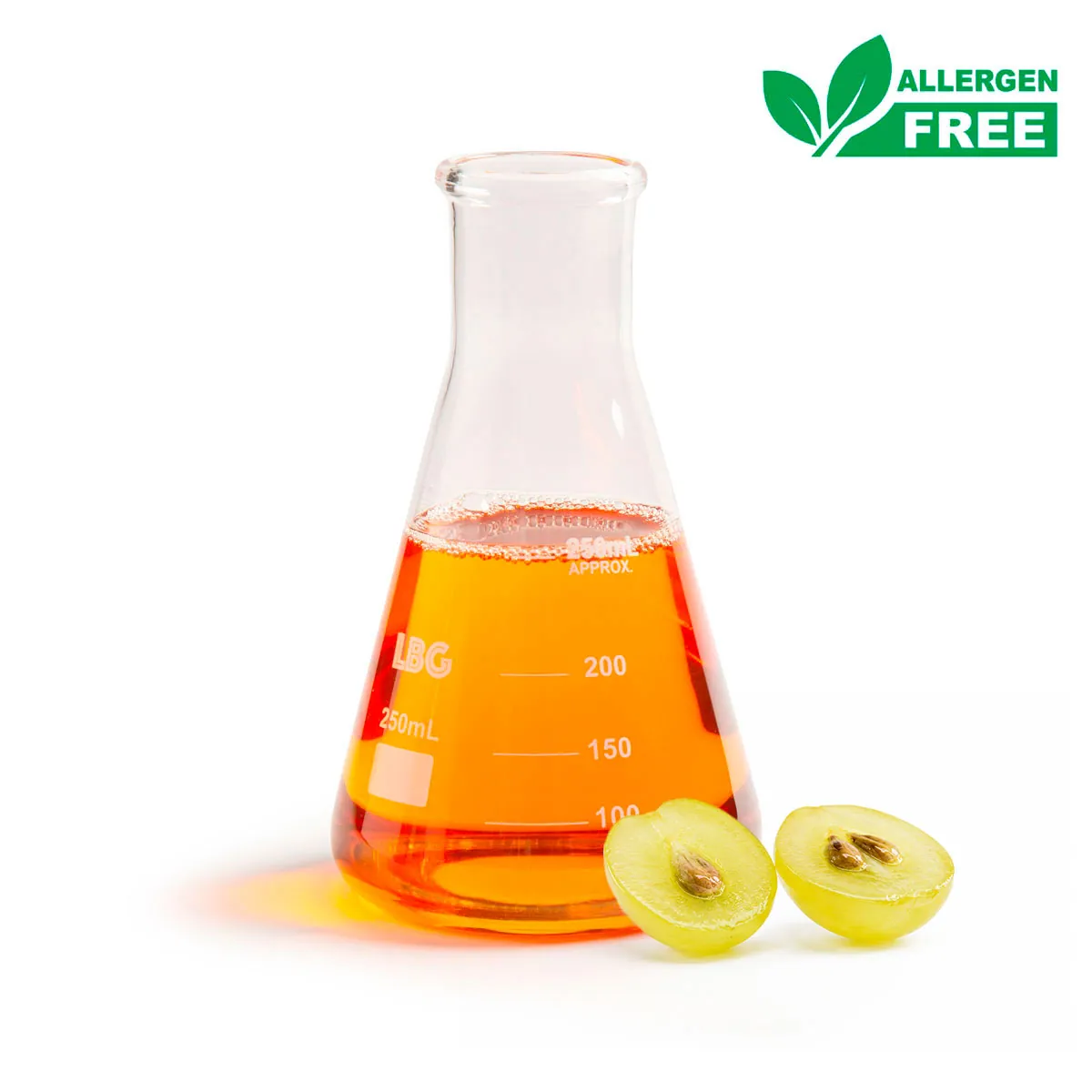
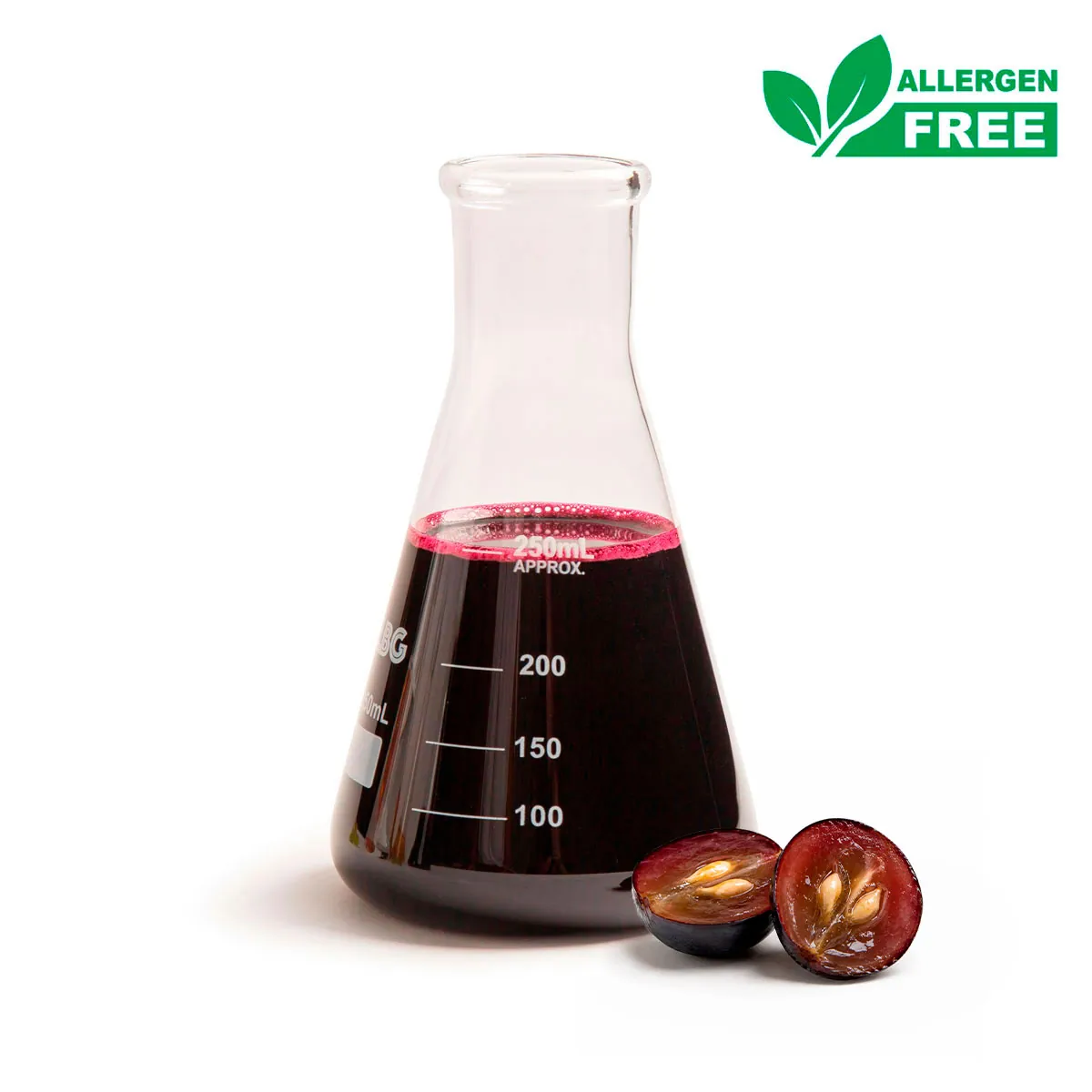
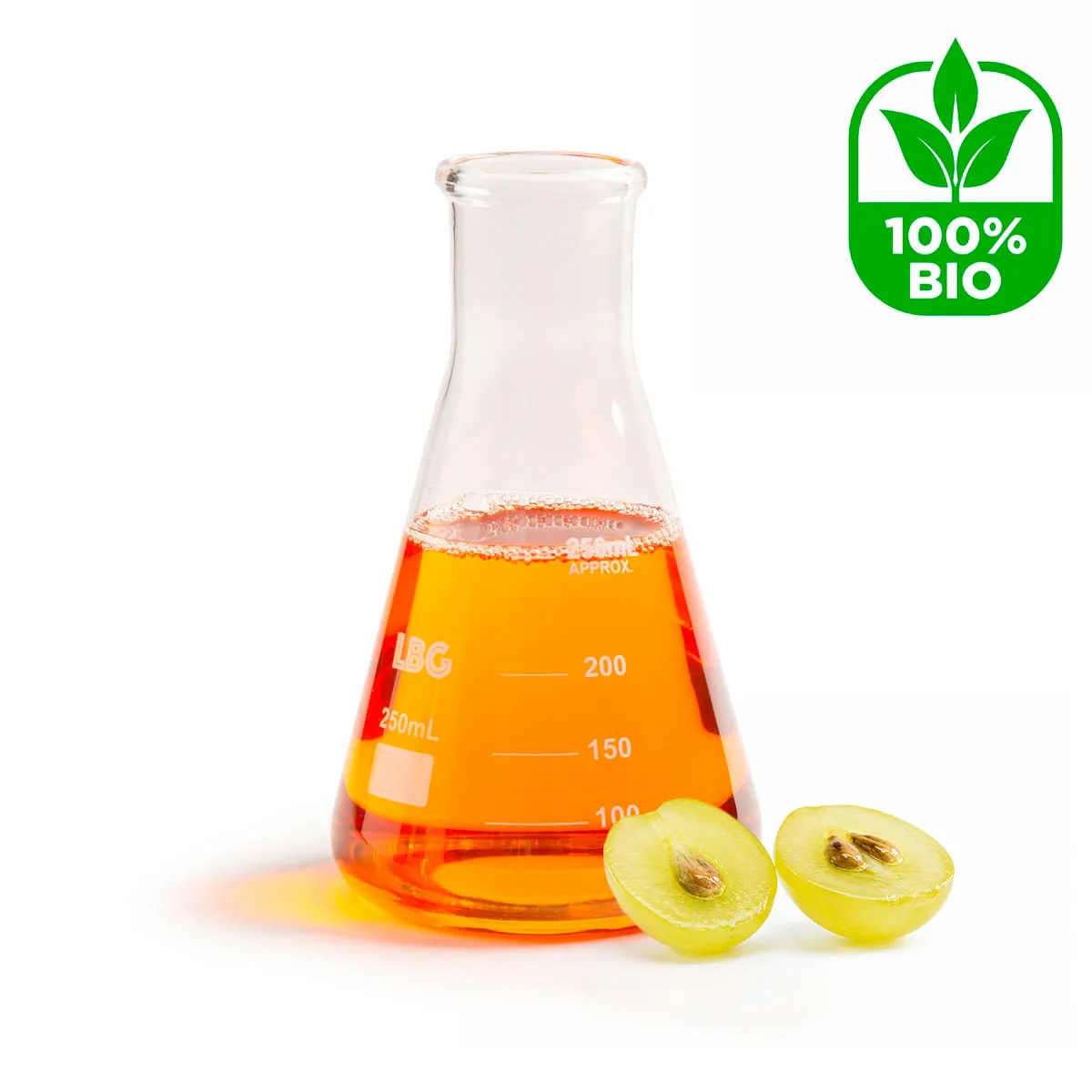
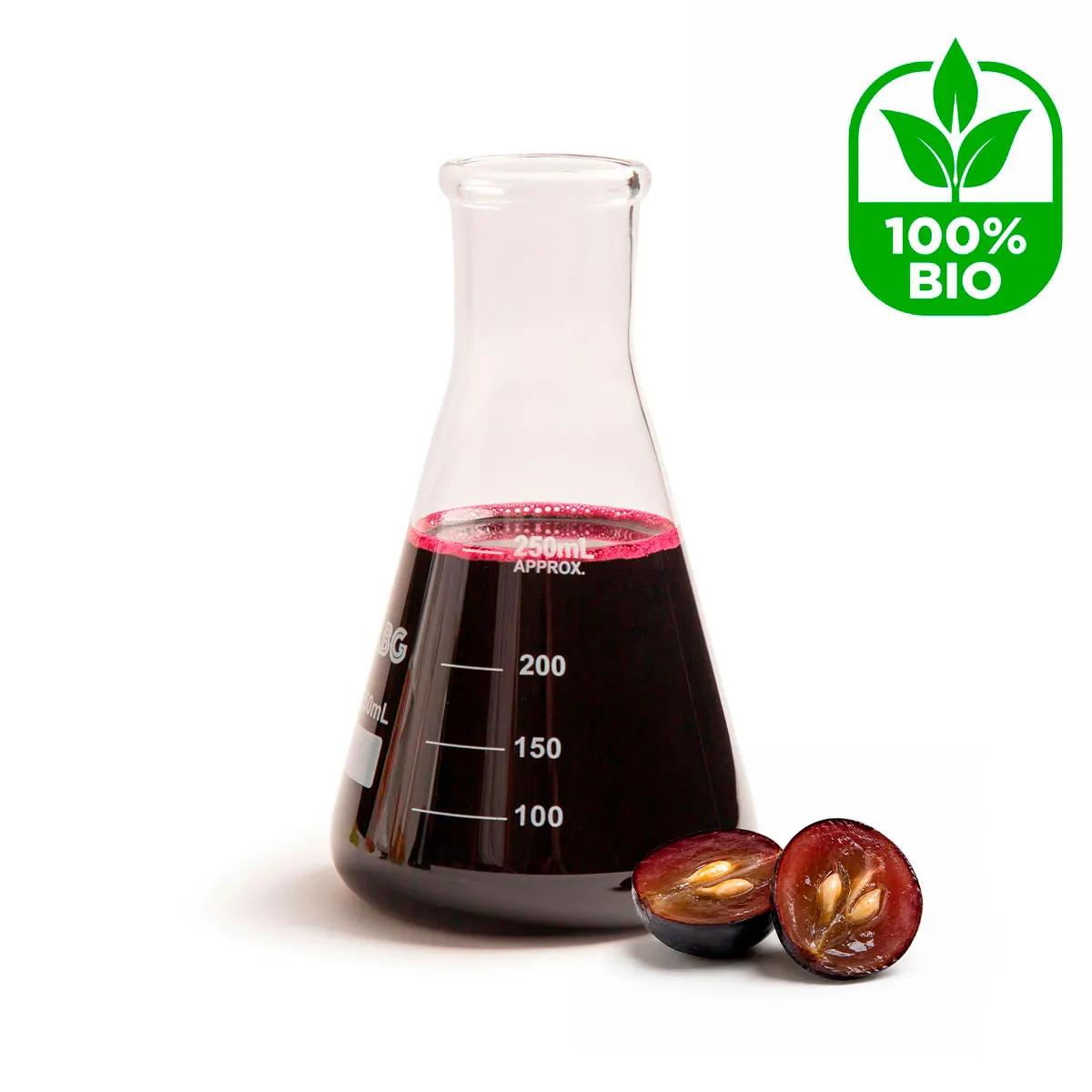
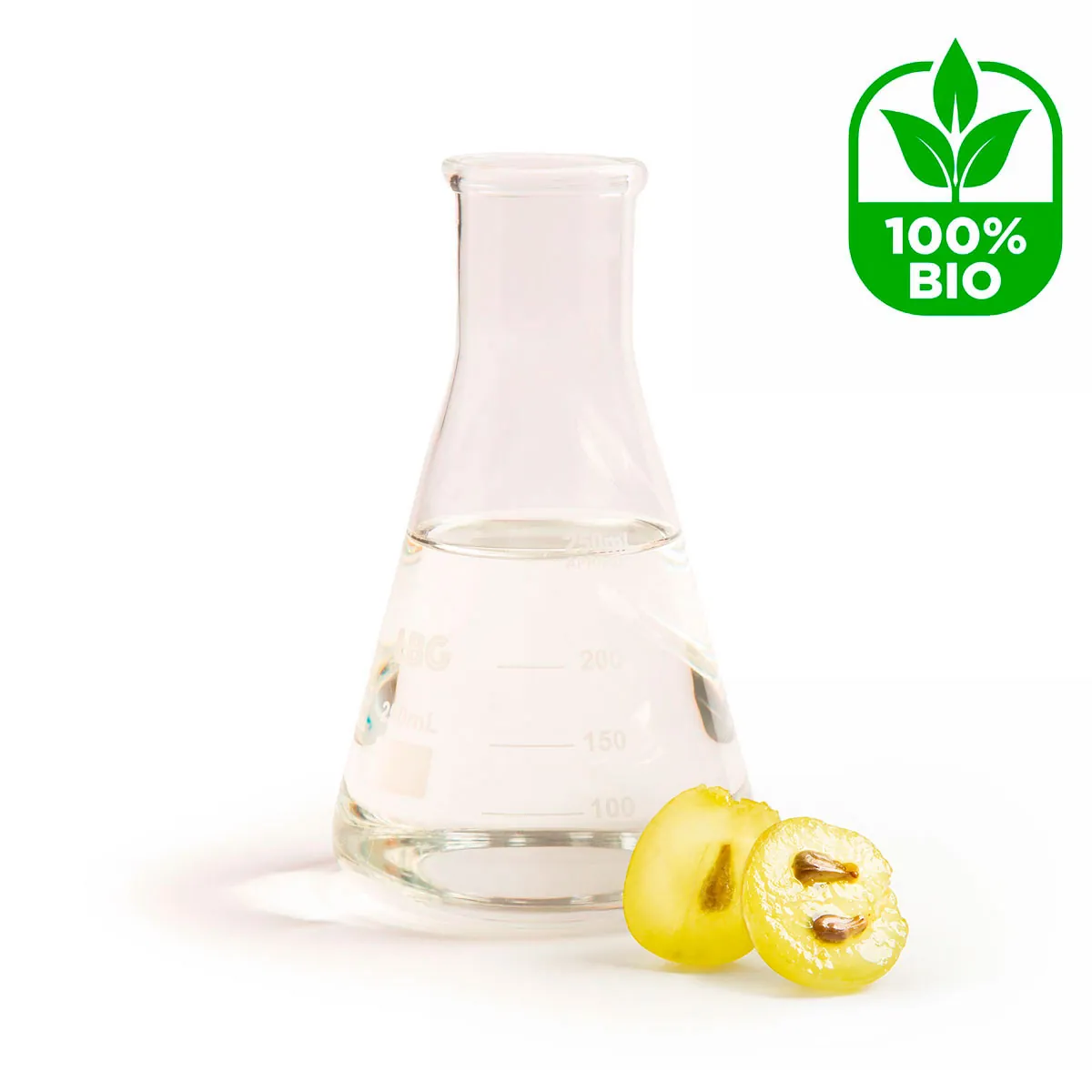
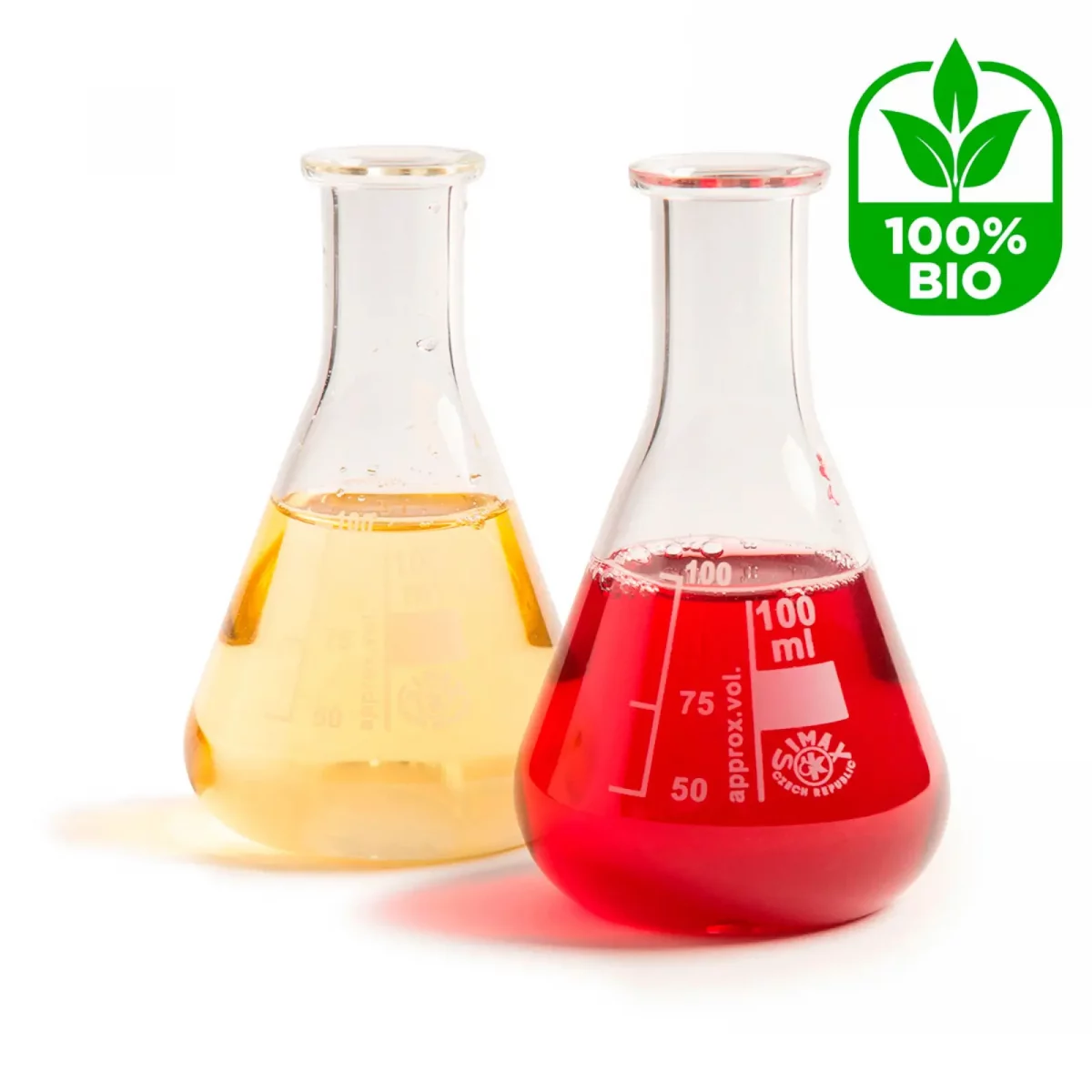
Over time, we have expanded what the ingredient can do, building a range for very different applications: white and red grape juice concentrates, different colour intensities, Rectified Concentrated Grape Must (RCGM), NFC grape juices and special qualities such as Organic, Baby Food and Virgin / SO₂ Free.
We also have our own R&D&I department, working closely with customers and their technical teams. Innovation is not always about inventing something completely new. Often, it means helping a familiar ingredient perform better in a new formulation or meet a more demanding specification.
Grape juice concentrate has found a place far beyond its traditional uses. Today it can be used in juices and soft drinks, functional beverages, baby food, jams, confectionery, organic products and other applications where grapes can contribute sweetness, body, colour or sensory character.
Our philosophy remains simple: 100% grapes, 100% authentic.
A grape solution for every need
| Application | Main objective | Quality that may fit |
|---|---|---|
| Baby food, purées and fruit preparations | Specification control, sweetness and colour | Organic/Baby Food white or red grape juice concentrate |
| Clear beverages and RTDs | Add soluble solids with limited colour impact | Virgin / SO₂ Free white grape juice concentrate or Organic Rectified Concentrated Grape Must |
| Red beverages and fruit blends | Sweetness, body and colour contribution | Virgin / SO₂ Free red or Organic/Baby Food red grape juice concentrate |
| Juices where fruit expression is a priority | A profile closer to direct juice | Organic NFC white or red grape juice |
The final choice should never be made on the product name alone. The ingredient needs to fit the matrix, process, sensory target and QA and Regulatory requirements.
Being based in a small town does not mean thinking small
JULIAN SOLER’s international outlook did not appear once the company reached a certain size. It was there from the beginning.
Today, more than 90% of what we produce is exported to over 60 countries across five continents. Asia and Europe are two of our main regions, with markets including China, Taiwan, Japan, Korea, Germany and the Netherlands, alongside customers in Africa, the Middle East and the United States.
That diversity teaches you to listen. A customer in Japan will not necessarily need the same solution as a manufacturer in Europe or Africa. Specifications, formats, documentation, logistics and end uses can all differ.
For us, internationalisation has therefore never been simply about selling further away. It has meant learning how to adapt both product and service without losing a common standard of quality.
We produce around the grape campaign, but our customers operate all year
Grapes have their own calendar. The food and beverage industry does not.
We operate four evaporators and have production capacity of up to 80,000 tonnes of grape juice concentrate per year. That capacity is supported by the storage infrastructure needed to organise supply across all twelve months.
For a customer, reliability is not only about the quality of a single batch. It is also about receiving the agreed product, in the required quantity and format, according to the schedule they need.
That is why logistics is part of our value proposition. Depending on the project, we work with 220-litre drums, aseptic drums, 1,000-litre IBCs, Goodpacks, tankers and flexitanks.
Raw-material purchasing is concentrated around the grape campaign, while sales and collections are spread across the year. Throughout our history, the support of partners such as Banco Santander has helped us manage liquidity, foreign-exchange exposure, international collections and investment in technology.
Trust can also be measured in years
There is one fact that tells our story better than many export statistics: we still work with the first British customer secured by our founder in 1969.
We also maintain relationships with Japanese customers that date back to those early years of international expansion.
In a B2B business, a commercial relationship lasting several decades is not built on one successful transaction. It requires consistency, responsiveness and trust on both sides.
The same idea applies to growers, cooperatives, suppliers and our own team.
We remain a family-owned company, but we are also a professional organisation with defined processes, an in-house laboratory, R&D capabilities, industrial capacity and an international network very different from the small operation that began in the late 1960s.
Roots and international growth can go hand in hand
Being present in more than 60 countries has not taken us away from Villanueva de la Jara.
The local area remains an essential part of our identity. This is where our raw material comes from, where many suppliers are based, where our team works and where a business story closely linked to La Manchuela continues to grow.
That commitment also takes shape through Vidartis, our social responsibility project, which uses grape must as an artistic pigment and connects it with artists, schools, associations and educational institutions.
It is another way of looking at grapes. The same raw material that travels as a food ingredient can also become a way to talk about art, education, creativity and local identity.
A few lessons we have learned along the way
After more than five decades working with international markets, there are a few mistakes we know well:
- Assuming every market needs the same product.
- Confusing specialisation with standing still: knowing one raw material deeply means continuing to innovate.
- Looking only at price while overlooking stability, traceability, documentation, and continuity of supply.
- Treating internationalisation as isolated transactions rather than relationships that take time to build.
Experience has taught us that growth does not always mean doing more things. Sometimes it means doing what you know how to do, better.
From Villanueva de la Jara to more than 60 countries
In 1968, we began concentrating grape juice. Today, we are still working with grapes, although the scale of the business and the possibilities of the ingredient are very different.
There is more technology, more knowledge, more markets and a wider range of applications. There are customers across five continents. And there is a team that continues to look for ways to improve an ingredient that is simple to explain but complex to work with well.
Our story can be summed up in one idea: specialising in order to go further, without losing sight of where we come from.
We still start with Spanish grapes. We still work from La Manchuela. And we still believe that authenticity and reliability are not marketing messages, but a practical way of doing business.
Shall we work on your next development?
If you are considering a grape-based solution for a new formulation, you can request a sample and test its performance directly in your own product.
If your project is already at the selection or approval stage, you can request a technical data sheet or speak with our R&D and commercial teams to review the quality, specification and format that best fit your application.
External sources
ABC Cómo llevar la uva española al mundo, de la serie Así empezó todo, 13 de agosto de 2026.