


Opinion article (Ramiro Martínez – CEO of JULIAN SOLER S.A.) – 31/08/2026
“THE MARKET ECONOMY WORKS WHEN THERE IS COMPETITION AND TRANSPARENCY”, INCLUDING IN GRAPES AND THEIR USES
 This phrase, however well known it may be in the economic and business world, remains highly important and relevant today in every unregulated sector of any economy worthy of the name. In fact, I have borrowed it, and that is why I place it in quotation marks, from a business event organised by ICEX which I was able to attend last July. There, one of this country’s leading bankers used it in the first person, while also defending the power of intangible assets in companies, such as reputation and brand, as a way to gain competitiveness in international markets.
This applies, of course, to the agri-food sector and, therefore, to our grapegrowing industry, which is of vital importance in our Castilla-La Mancha region. Or at least, in my opinion, it should be.
COMPETITION makes us better by encouraging analysis, improvement and innovation. And TRANSPARENCY gives us access to the information needed to make decisions, whether those decisions turn out to be right or wrong. At the very least, it enables us to make them. Of course, neither competition nor transparency is perfect, but both are necessary for the economic reality that governs practically every productive sector we know, and which in turn allows market dynamics to function.
Let us focus on this second concept, transparency, and its connection with access to information in this historically early grape harvest in Spain.
Indeed, in the 2026 harvest we are seeing a historically early European grape harvest in general terms, led by Spain, France and Italy. Abnormally high spring temperatures, the now familiar heatwaves at the beginning of summer and the lack of rainfall have accelerated harvesting across Spain by as much as two or three weeks in some areas, with an average advance of around ten days.
Similarly, the campaign in Italy has begun almost two weeks early, and the first grapes for the globally renowned French Champagne have started to be harvested in mid-August this year, whereas traditionally this harvest would take place in September.
Even Germany, one of the traditional buyers of our wines and grape musts, has seen its harvest brought forward like never before.
The main European producers once again have something in common: the irreversible climate evolution that is bringing their harvests forward and reducing the average yield and volume of European grape crops in recent years. But they also share what is, in my opinion, the unfortunate and highly unusual decision this campaign, taken by the main sector organisations and authorised official voices in each of these countries, to postpone their traditional harvest forecasts, choosing for the time being to wait until the end of the campaign to present their data.
 Only the Instituto da Vinha e do Vinho (IVV) in Portugal has published an official estimate compared with the previous harvest (+12%, although it will remain below the average of the last five campaigns), distancing itself from the crusade of silence undertaken by the other major producing countries mentioned above. Could the Portuguese have been inspired by their Cristo Rei monument in Almada, opposite Lisbon, and its symbolism?
The southern hemisphere had already provided its production data at the appropriate time and positioned itself in terms of prices and volumes to be marketed, offering clarity, transparency and a competitive scenario arising from the market situation and global winegrowing in general. In doing so, it was not failing to protect the interests of all those involved in the chain. Quite the opposite: perhaps it was acting so that market events and dynamics would not leave it out of the game.
In Europe, and in Spain, the argument used to justify delaying harvest estimates may initially be understandable, given the ever-present uncertainty around bunch yields until the grapes are actually harvested. However, this is nothing new; in fact, it has always been the case, and we take it into account, especially in early harvests. But under the laws of the market, it is not justifiable.
This orchestrated and unprecedented decision in favour of informational caution, supported by climate variability, becomes even less understandable as this early-starting harvest progresses. In a context marked by falling consumption, rising costs and various difficulties in the international trade of our grape uses, such as wars and tariffs, all this does is encourage unnecessary speculation and delay the desirable balance between supply and demand; or rather, between effective availability, meaning stocks plus production, and real need, according to each use.
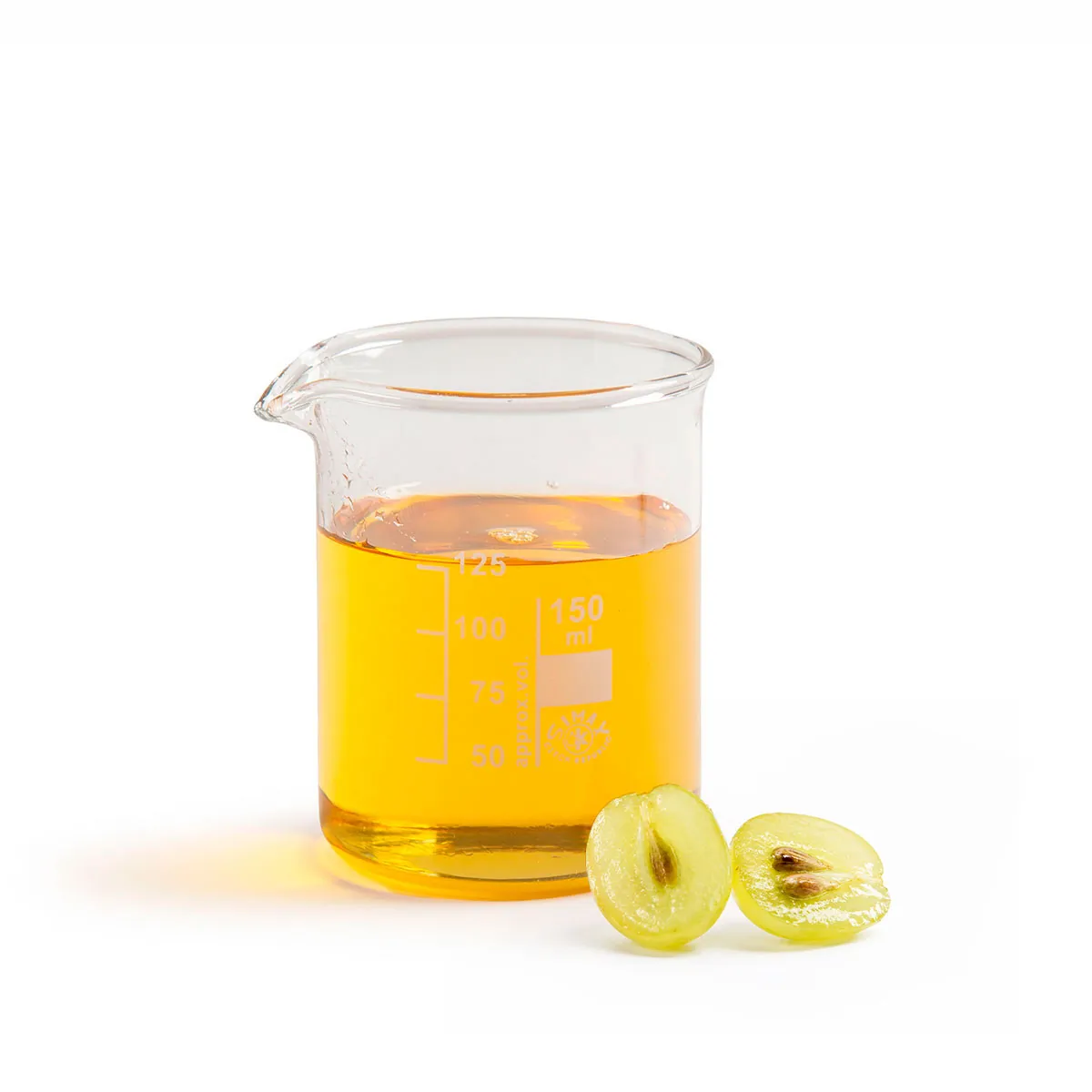
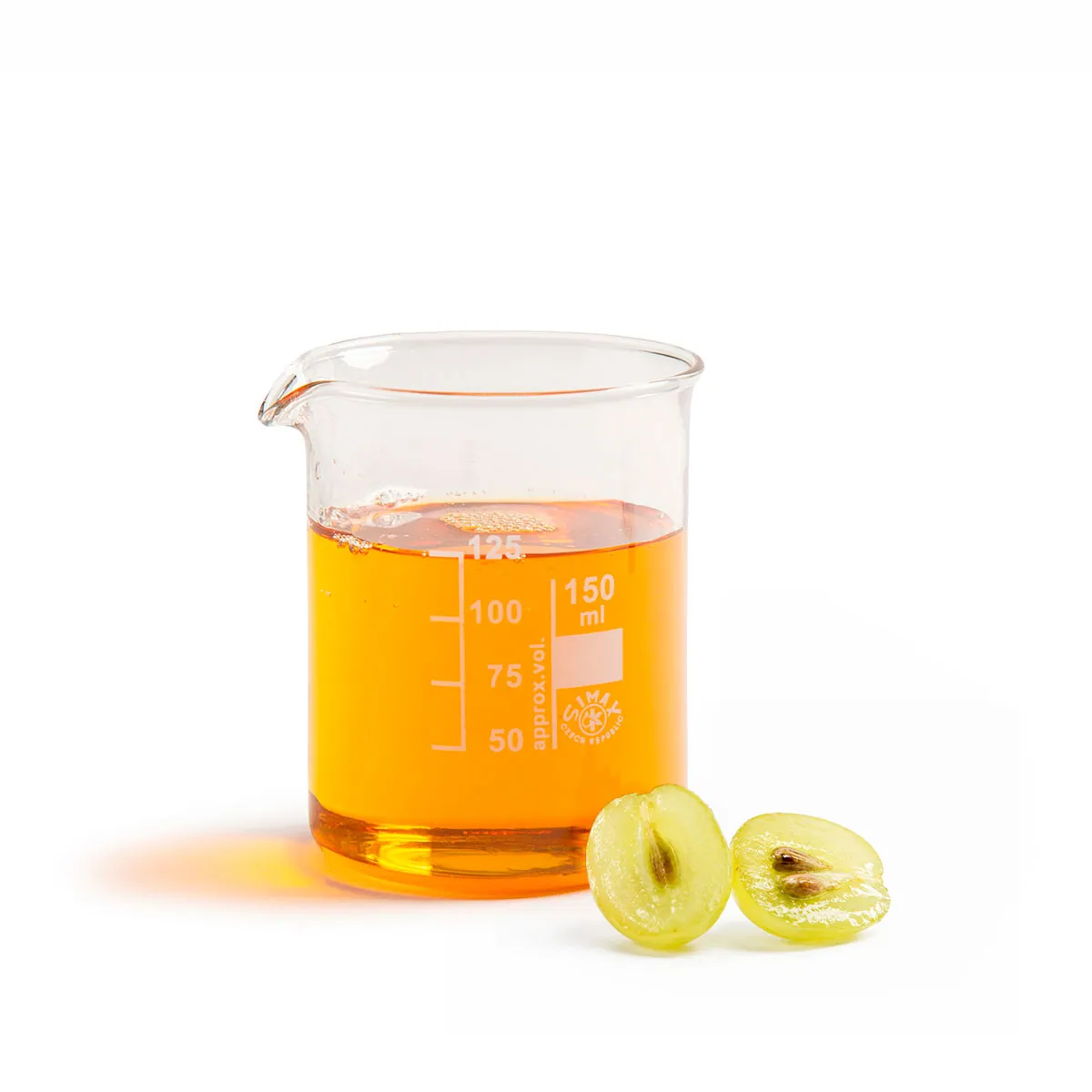
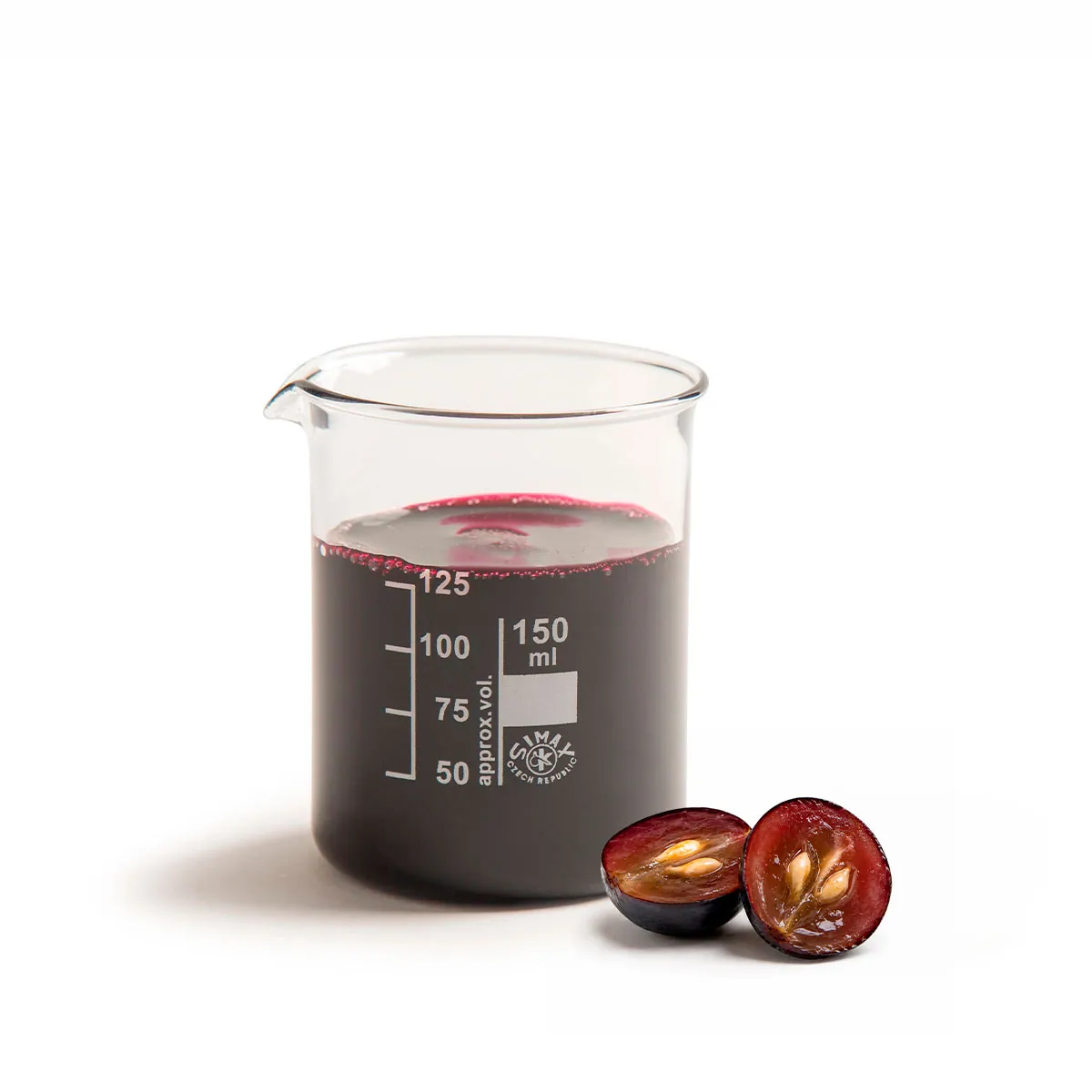
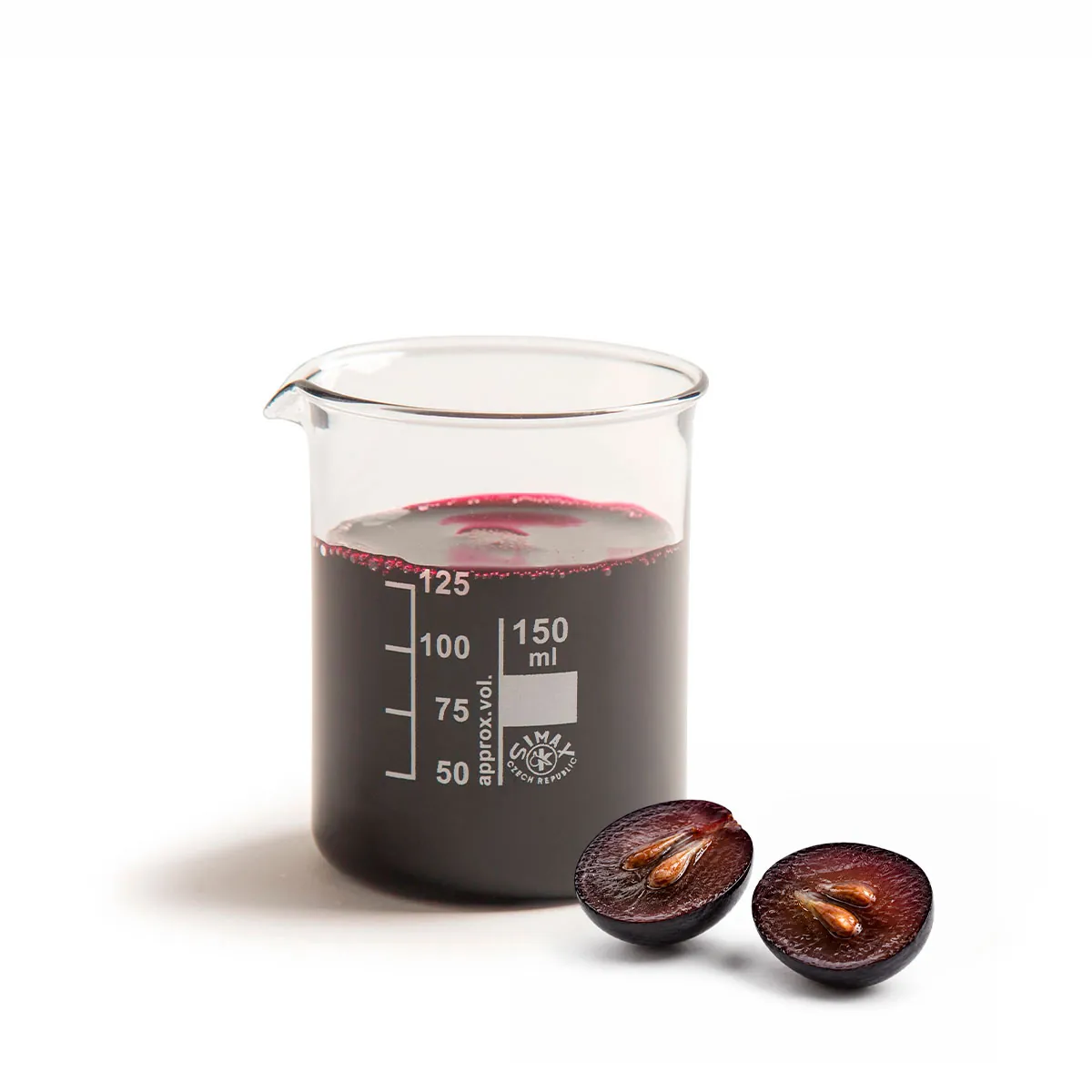
This is particularly important when facing a harvest that appears to be a transition towards a new market reality. In the case of Castilla-La Mancha, with its specific weight within Spanish grapegrowing, there is always the added challenge of stability in the region’s specific industries that go beyond wine and are related to the fruit of the vine, such as grape must concentrates, direct juices, alcohols, wine spirits and vinegars, as well as the need to continue building its credibility as a global market supplier.
Let us not doubt that the market will eventually find its way, as it always has, towards the desired balance of production and profitability between growers, industry, customers, and the purchasing power and consumption habits of end consumers across the different products that include grapes. But that path does not build itself. It needs to be helped through decisions, rather than through an insistence on changing nothing. Keeping everything the same is the most elegant way of going nowhere.
The new reality of European grape harvests, where lower yields resulting from heatwaves and accelerated grape ripening also confront us with challenges beyond the reduction in the average size of crops, cannot be established outside the reality of the market. These challenges include the simultaneous ripening of different varieties that, in the past, would have arrived separately at the winery. This creates tighter operational deadlines and a critical need to closely monitor the sugar (Brix) / acidity balance in these faster grape intakes.
In the absence of official data, as mentioned above, which we always like to share transparently with our suppliers and customers so that they can make decisions, and after exchanging opinions with the main market operators with whom we are in contact from JULIAN SOLER, even at the risk of proving the saying right that:
“Only those who anticipate are mistaken.”
So far, we could say that it has been a calm year in terms of pests and fungal diseases, resulting in grape intake taking place under optimal quality conditions and with the fruit in good sanitary condition.
Although the 2026 grape harvest in Spain will once again be below the historical average, with a likely lower yield per plant given its historically early nature, it is also affected by a market with little buying momentum, due to the high prices of recent campaigns and high inventory levels held by buyers and traders.
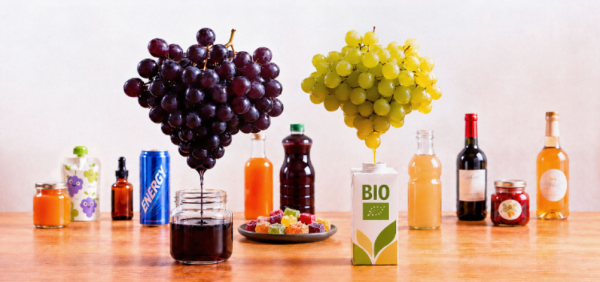 Even so, availability is expected to be sufficient to supply the different uses of grapes: wines, grape must concentrates, juices, alcohols, wine spirits and vinegars in a campaign where the desirable diversification of qualities, volumes and prices is expected to be vitally important for the market to function, and for the always important first campaign contracts to begin being signed.
Contracts with suitable conditions will allow accumulated stocks, both at origin and destination, as well as the first volumes of product from the new harvest, to be released gradually and prudently, according to their final use.
To use an expression I first heard back in 2003 in the former DF, let us applaud, as they say in Mexico, “like a seal with both hands and feet”. I place this in quotation marks, as I did in the title of this article, because I recently heard it again from the same banker.
This is the best way to celebrate and thank those who provide market operators with the information and transparency that allow all of us — growers, industry and customers — to make decisions. It also helps us understand that competitiveness is not defended only through price and cost, but also through market planning, which requires access to information, as well as through quality and innovation, areas we continue to work on in companies within the sector such as JULIAN SOLER.
This is what enables us to continue supplying sufficient volumes with reliable quality, so that grapes can have multiple uses and many lives in the hands of consumers.